Selling your home can feel overwhelming before you even put the sign in the yard. If you are trying to time repairs, paperwork, photos, showings, and closing in Raleigh, it helps to know what actually happens and when. A clear timeline can lower stress, help you avoid delays, and make the whole process feel much more manageable. Let’s dive in.
Start Earlier Than You Think
In Raleigh, the smoothest sales often begin well before the home hits the market. If your home needs repairs, decluttering, staging, or any work that may require permits or approvals, a 6 to 12 month runway can make the process much easier.
That does not mean every seller needs a year of prep. If your home is already in strong condition, you may be able to compress the timeline. Still, giving yourself extra time can help you make decisions calmly instead of rushing through them.
Build Your Pre-Listing Plan
A stress-free sale is part marketing plan and part project plan. Before you think about photography or showings, it helps to map out what needs to happen first.
Identify Repairs Early
Start by thinking about repair triage, not a full remodel. Big-ticket items like roofing, HVAC, or aging appliances are worth reviewing early, even if you decide not to replace or repair everything before listing.
Getting estimates ahead of time can help you make informed choices. It can also prepare you for buyer questions later, especially if an inspection brings those items back into focus.
Watch for Raleigh Permit Delays
Some projects in Raleigh need more than a contractor and a free weekend. The City of Raleigh notes that most construction and home improvement projects require permits, and some properties may need extra approvals.
This matters if you are planning work on items like electrical, plumbing, HVAC, roofing, decks, fences, or pools. If your property is in a historic district or is a Raleigh Historic Landmark, a Certificate of Appropriateness may also be required. Homes with private wells or septic systems may need Wake County approval before a city permit application can move forward.
Gather Documents Early
Paperwork is one of the easiest places to get ahead. Pull together appliance manuals, warranties, HOA contact information, dues details, transfer-fee information, and records for past repairs or updates.
This step can save time later because North Carolina disclosures cover property condition issues along with items like HOA assessments and restrictive covenants. When those details are easy to access, the listing process tends to feel much more organized.
Use a Simple Timeline
If you want a practical way to think about your selling timeline, this breakdown can help:
| Timeline | What to Focus On |
|---|---|
| 6 to 12 months before listing | Major repairs, permit-related projects, decluttering plan, vendor scheduling |
| 1 to 3 months before listing | Touch-ups, cleaning, staging plan, document gathering, disclosure prep |
| 2 to 3 weeks before listing | Photos, final house prep, pricing strategy, marketing launch |
| Listing week | Showings, open house prep, daily reset routine |
| Under contract to closing | Due diligence, inspections, repair negotiations, attorney closing process |
Not every home follows the exact same schedule. But a timeline like this gives you a framework, which can make every next step feel clearer.
Finish Disclosures Before You Launch
In North Carolina, disclosures are not something to leave for later. Sellers generally must provide the required disclosure statement no later than the time the buyer makes an offer.
If a disclosure is delivered late, the buyer may have a short cancellation window. That is one reason many sellers benefit from completing disclosure forms before the home officially goes live.
Know Which Disclosures Matter
North Carolina sellers typically need to provide both the residential property disclosure statement and the mineral, oil, and gas disclosure statement. If you later discover a material inaccuracy, it must be corrected promptly.
It is also important to know that your disclosure form is not the only source of information in a transaction. If a material issue becomes known during preparation or after an inspection, that issue may still need to be addressed.
Include HOA Details
If your home is part of an HOA, gather those details early too. Buyers will want to understand assessments, special assessments, association contacts, and transfer fees.
These details are specifically addressed in North Carolina’s disclosure framework. Having them ready upfront can prevent last-minute scrambling.
Get the House Seller-Ready
Once the planning and paperwork are underway, your attention can shift to presentation. This is where preparation pays off fast.
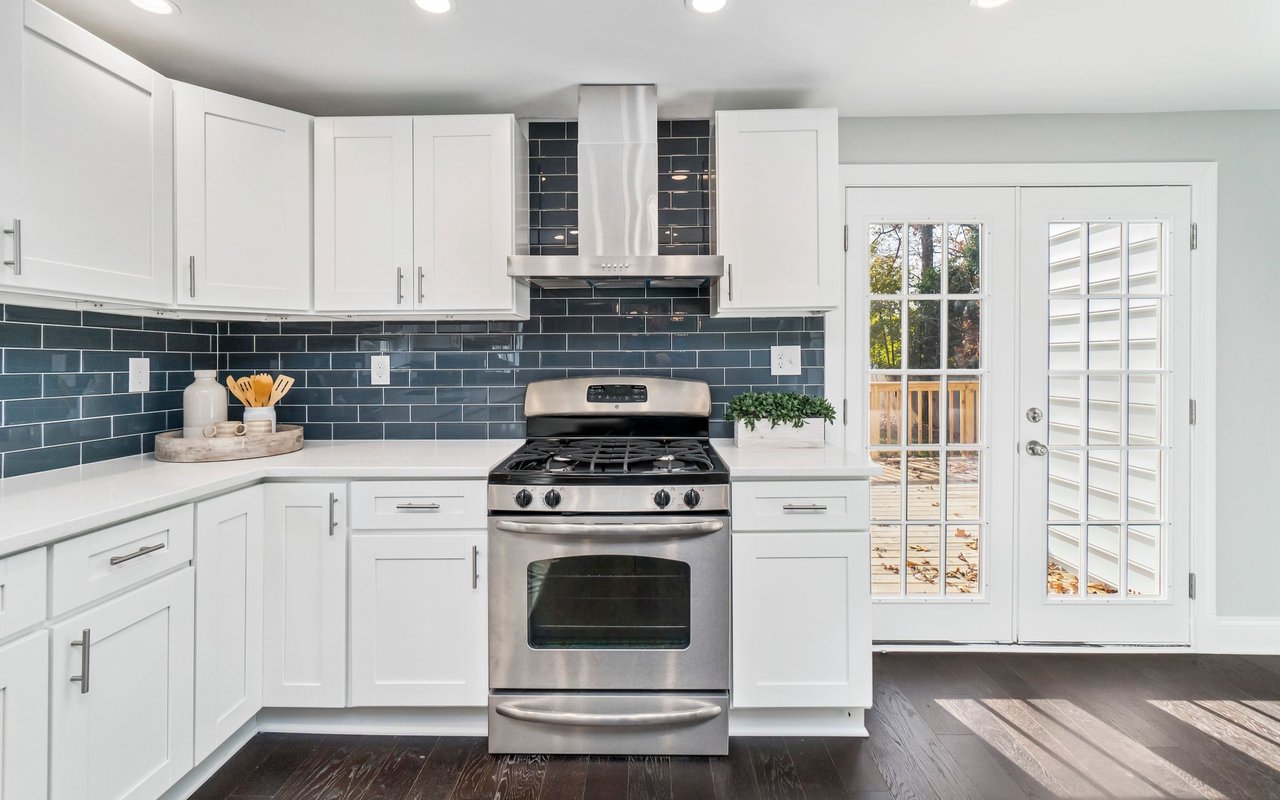
A home that is decluttered, cleaned, and easy to show is simply less stressful to live in during the listing period. It also tends to photograph better and feel more inviting to buyers.
Focus on Decluttering and Cleaning
You do not need to make your home look empty or overly styled. The goal is to reduce distractions so buyers can focus on the space itself.
That usually means packing up extra items, simplifying surfaces, and removing highly personal belongings. A clean, calm look also makes it easier to reset the home between showings.
Consider Staging
Staging does not always mean a full redesign. Sometimes it is as simple as rearranging furniture, adding fresh accessories, or editing down crowded rooms.
According to the research, about half of real estate professionals said staged homes sold faster, and more than a quarter said staging increased the dollar value offered by 1% to 10%. Even modest staging can make a strong difference in how your home is perceived.
Prepare for Photos and Marketing
When your home is ready, marketing can begin with strong visuals and a smart launch plan. Professional photography, pricing, signage, social media, open houses, and MLS exposure all work together to help buyers find your home.
The first days on market matter. Research also suggests that an open house the first weekend after listing can help maximize exposure.
Make Showings Easier on Yourself
Showings are often the most disruptive part of selling, but a repeatable routine can lower the stress. The more prepared your home is before launch, the easier this phase tends to be.
A simple showing checklist can help you move quickly when an appointment pops up.
Use a Pre-Showing Checklist
Before each showing, aim to:
- Make beds
- Clear kitchen and bathroom counters
- Wipe down surfaces
- Neutralize odors
- Hide valuables and medications
- Open blinds
- Turn on lights
- Take pets with you if needed
Once this becomes routine, many sellers can reset the home in less than an hour. That is much easier than trying to reinvent the process every time.
Understand the Raleigh Contract Timeline
Getting an offer is exciting, but it does not mean the work is over. In North Carolina, the period after acceptance is a very active part of the sale.
The contract becomes effective, and then the buyer’s due diligence period begins. That timeline is negotiable, and it often includes several moving parts all at once.
What Happens During Due Diligence
Buyers commonly use the due diligence period for:
- Home inspections
- Pest inspections
- Septic inspections, when relevant
- Survey work
- Appraisal
- Title search
- Loan qualification steps
This is often the biggest stress point for sellers because inspections, financing, title work, and negotiations can overlap. Knowing that this is normal can help you stay grounded if the pace suddenly picks up.
Expect Repair Negotiations
Repair requests are common, but they are negotiable. A buyer may ask for repairs, a credit, a price adjustment, or no changes at all depending on what is found.
If you agree to repairs, they must be completed in a good and workmanlike manner before settlement. Buyers also have the right to verify repairs and complete a final walk-through, even after the due diligence period ends.
Know How Closing Works in North Carolina
North Carolina closings are attorney-driven, which gives the final stretch a different rhythm than in some other states. The closing process typically includes title review, title insurance, deed preparation, signing, recordation, and disbursement of proceeds.
The final month often follows a simple order: due diligence and repairs first, final walk-through next, then signing and recordation. When you know that sequence ahead of time, the end of the process feels much less mysterious.
Final Week Checklist
As closing gets closer, focus on the details that keep the finish line smooth:
- Confirm agreed repair work is complete
- Keep receipts or records for completed repairs
- Stay responsive to attorney and closing requests
- Plan your move-out timeline carefully
- Leave the home in agreed condition for the buyer
Small steps like these can prevent last-minute surprises.
Why a Managed Timeline Lowers Stress
The easiest Raleigh sales usually do not happen by accident. They happen because the seller starts early, plans around local requirements, handles disclosures on time, and keeps the home ready before the first showing ever happens.
That is especially true if your home needs updates, permit-related work, HOA coordination, or extra closing support. When you break the process into stages, it becomes much easier to manage.
If you want a sale that feels more organized and less reactive, your best move is to treat the timeline like a roadmap. With the right prep, you can move from planning to closing with a lot more confidence and a lot less chaos.
If you are thinking about selling in Raleigh or anywhere in Wake County, working with an agent who can help coordinate the moving pieces can make a real difference. Jamie Buckley brings a calm, hands-on approach to seller prep, marketing, and closing support so you can move forward with a clear plan.
FAQs
When should you start preparing to sell a home in Raleigh?
- If your Raleigh home needs repairs, decluttering, or projects that may require permits or approvals, starting 6 to 12 months before listing can reduce stress and help you avoid delays.
Do North Carolina sellers need disclosures ready before listing?
- North Carolina sellers must provide required disclosure statements no later than the time a buyer makes an offer, so completing them before listing can help avoid timing issues and buyer cancellation rights tied to late delivery.
Do Raleigh home repairs require permits before selling?
- Many Raleigh home improvement and construction projects require permits, and some properties may need added approvals, including historic review or Wake County approval for private well or septic situations.
Is a pre-sale inspection required for a Raleigh home sale?
- No, a pre-sale inspection is optional, but it can help you uncover issues before buyers do and give you more time to decide how to handle repairs or pricing.
What happens after a Raleigh home goes under contract?
- After a Raleigh home goes under contract, the North Carolina due diligence period begins, and buyers often complete inspections, appraisal, title work, survey steps, and loan-related tasks before closing.
How does closing work for home sellers in North Carolina?
- North Carolina residential closings are typically attorney-driven and usually include title review, deed preparation, signing, recordation, and the final disbursement of proceeds.