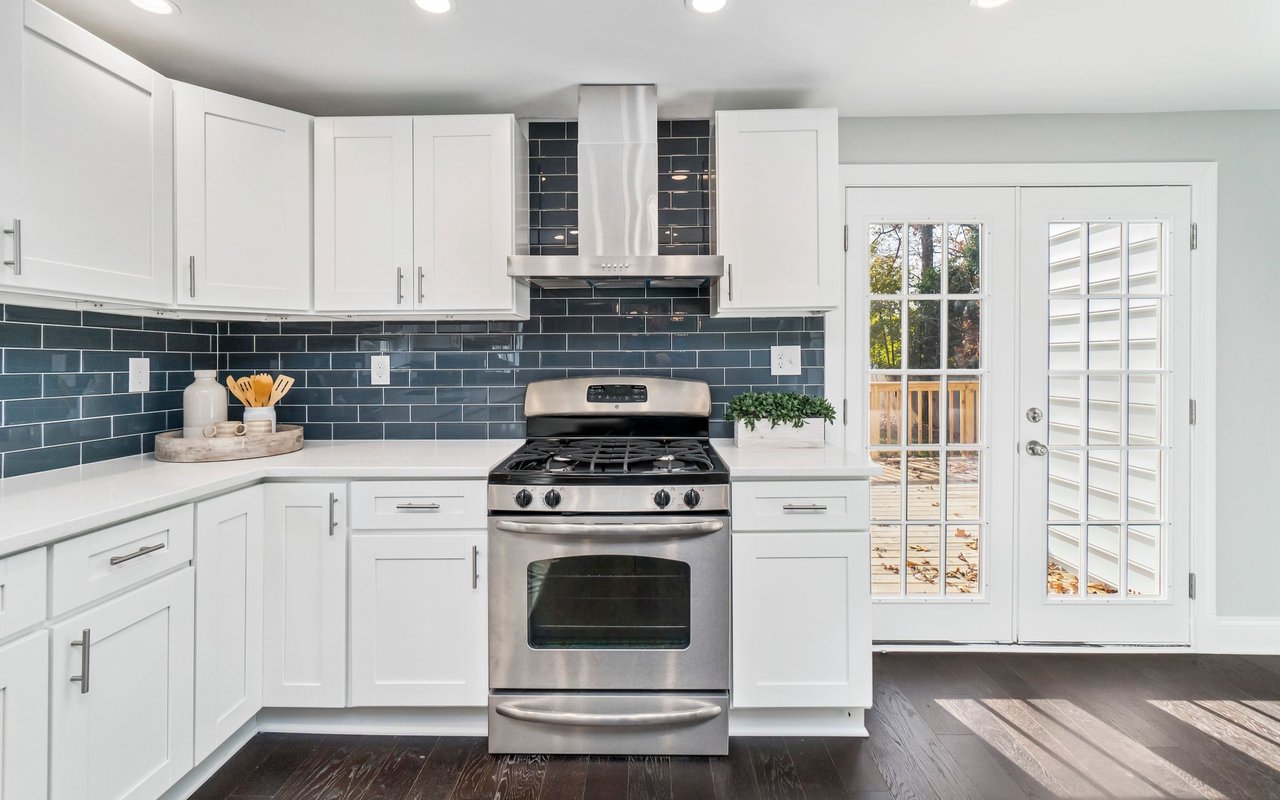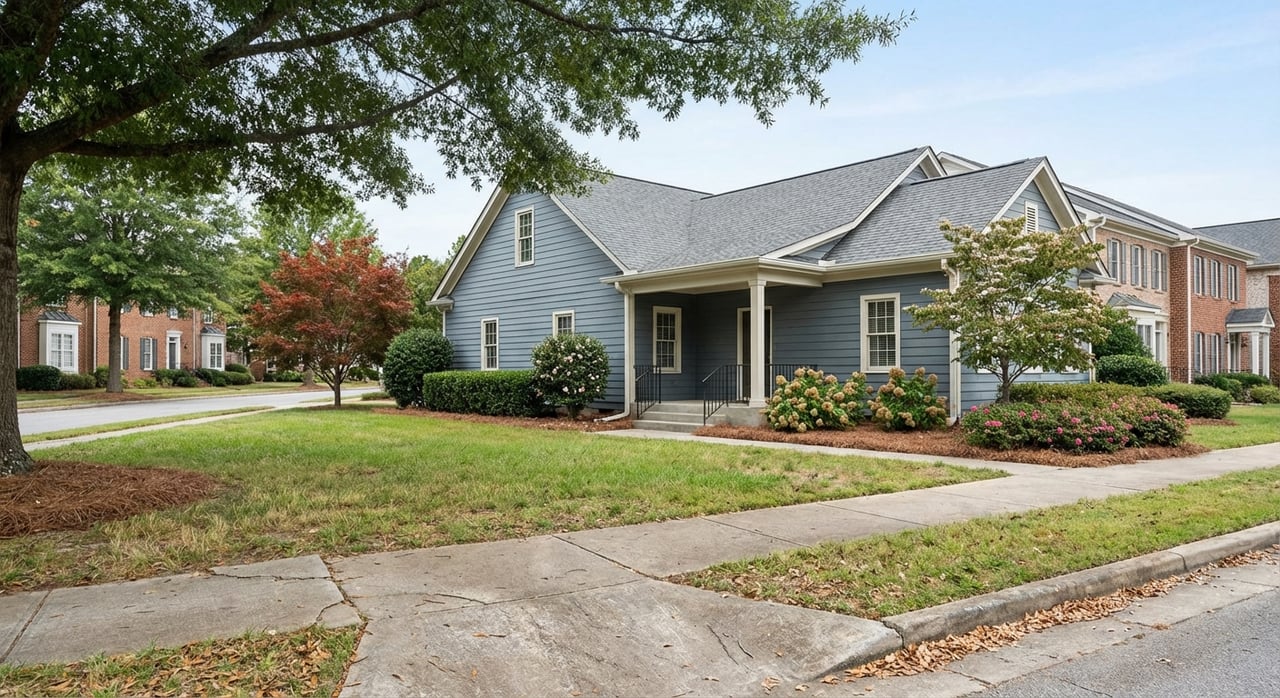
Buying your first home in North Raleigh can feel exciting and a bit overwhelming. You want a place that fits your budget, offers a manageable commute, and lets you enjoy everyday amenities without constant maintenance. You also want to make a smart long-term choice. In this guide, you’ll learn how North Raleigh’s most popular pockets stack up for first-time buyers, what housing types to target, and how to use local programs to stretch your down payment. Let’s dive in.
Why North Raleigh works for first-time buyers
North Raleigh offers a wide mix of townhomes, condos, and single-family homes across mature neighborhoods and newer planned communities. That variety helps you balance price, lifestyle, and commute. Citywide, the typical Raleigh home value sits near $425,000 as of early 2026, and several North Raleigh pockets trend higher than the city median. Recent market softening in 2024–2025 also created more opportunities for buyers through higher inventory and longer market times.
If you want a lower-maintenance, more affordable entry point, focus on townhomes and condos. If you want a yard and room to grow, older single-family homes from the 1970s–1990s can be a smart, value-minded path, especially if you are open to selective updates. Your micro-location matters for daily life and resale, so weigh commute routes, nearby shopping, and access to parks and greenways.
How to choose your pocket
- Budget and home type: Townhomes and stacked condos typically offer the lowest entry price and lower exterior maintenance. Older single-family homes can trade some updates for more space and lot size. Newer single-family homes usually cost more but feel more turnkey.
- Commute fit: North Raleigh is car-oriented. I-440 and I-540 are your primary corridors to downtown, RDU, and RTP, and travel times vary by peak traffic. Ranges are more reliable than precise minutes; always test-drive your route during rush hour. For a helpful overview of area living patterns and commutes, see this local perspective on family-friendly Raleigh areas and drive times. This overview of Raleigh areas and commutes can help you frame expectations.
- Schools and assignments: Most addresses feed into the Wake County Public School System. Assignments vary by street address and can change, so verify any property’s assigned schools through the district’s tools on the WCPSS site.
- Everyday convenience: Walkable retail and services around Midtown and North Hills, plus green space like Durant Nature Preserve and Falls Lake, shape quality of life. Explore Midtown’s shopping and dining nodes via the Midtown Raleigh Alliance guide to get a feel for what “close to everything” looks like.
Neighborhoods to explore
Falls River and Bedford at Falls River
If you want nature access and a townhome-friendly price point, start here. You’ll find established townhome communities and smaller-lot single-family sections with HOA-maintained exteriors and small yards. Many first-time buyers like the balance of green space and convenience to shopping along the Falls of Neuse and Durant corridors.
Commuting downtown is often reasonable, with typical ranges around 20 to 30 minutes depending on traffic and start point. I-540 provides access to RTP and RDU. Because these communities sit near Falls Lake and creek corridors, add floodplain checks and stormwater history to your due diligence for any specific lot.
North Hills and Midtown
This is the heartbeat of walkable North Raleigh living, with stacked flats, condos, and townhomes near shopping, restaurants, and services. If you want a lock-and-leave lifestyle where you can stroll to dinner or a fitness class, Midtown delivers. Explore the area via the North Hills district map and the Midtown Raleigh Alliance overview.
Condos and townhomes here can be a more attainable entry to a premium location. Factor HOA or condo dues into your monthly budget and understand how master insurance and individual unit policies differ.
Brier Creek and Brier Creek Village
Working in RTP or flying often from RDU? Brier Creek’s western edge location can be a strong match. You’ll see a lot of newer townhomes and multifamily options with neighborhood amenities and quick access to I-540 and US-70. This pocket often trades a bit of walkability for commuter convenience.
Because the airport is nearby, consider whether any specific block is under a flight path and review HOA rules and amenities to make sure they match your lifestyle.
Wakefield area
The Wakefield corridor offers a balanced suburban setup with shopping, community amenities, and a range of townhomes and single-family homes of different ages and sizes. Many buyers like the community continuity and the broader range of price points across the area. It is a practical middle ground if you want amenities without being directly in Midtown.
As with all planned communities, review HOA covenants, dues coverage, and any rental or exterior rules before you write an offer.
Hedingham and nearby Northeast Raleigh subdivisions
If value is your top priority, consider Hedingham and similar Northeast Raleigh neighborhoods. You will find recurring opportunities for move-in-ready townhomes and modest single-family homes, often at entry pricing below Midtown or the Stonehenge corridors. Amenity packages commonly include pools and green space, which can boost day-to-day enjoyment without the yardwork burden.
Use a careful inspection plan for older-but-updated homes, and confirm HOA coverage so you know what your monthly fee buys.
Stonehenge and the Leesville corridor
These mature neighborhoods appeal to buyers who want larger lots, a mature tree canopy, and solid homes from earlier building eras. Many homes are well built but may need modest updates, which can be a great path to long-term value if you are willing to renovate gradually.
When evaluating older homes, pay special attention to roof and HVAC age, water heater, electrical capacity, and any plumbing materials that may be near end-of-life. Ask about previous water intrusion and insulation or ventilation improvements.
Brookhaven, Crabtree, and Triangle Town Center area
These older suburb pockets mix smaller single-family homes and townhomes with strong retail access, especially around Crabtree. Highway access to I-440, US-70, and nearby corridors can shorten regional drives. If you want a central-feeling location without Midtown’s condo premiums, this area often deserves a look.
As always, compare HOA dues and potential exterior responsibilities if you choose a townhome or condo, and test your drive to work during rush hour.
Outer-edge options: Creedmoor and Wake Forest
If budget is tight or you want newer construction and a larger lot, consider stepping just beyond I-540 into the Creedmoor and Wake Forest areas. Prices can be lower than inner North Raleigh, though your commute may be longer. These can be excellent choices if you have hybrid or flexible work.
Confirm municipal services by address and use a commute test for your most common routes. If a specific lot is near a water feature or low-lying area, plan a floodplain review as part of your due diligence.
Commute, transit, and green space
North Raleigh’s primary driving corridors are I-440 and I-540, which connect you to downtown Raleigh, RDU, and RTP. Traffic varies by time of day, so plan for ranges and verify with an on-the-ground test from a specific listing during peak hours. Regional buses provide limited connections to RTP and the airport; check current routes if transit matters to you.
For weekend balance, you are never far from parks and trails. Durant Nature Preserve offers trails, boating access, and seasonal programs. Get a feel for the setting using this Durant Nature Preserve overview. You will also find greenway spurs throughout North Raleigh, plus easy access to Falls Lake for paddling and hiking.
Financing and down payment help
North Carolina offers programs that can make your first purchase more affordable. The North Carolina Housing Finance Agency’s resources include the NC Home Advantage Mortgage, NC 1st Home Advantage Down Payment, and the Community Partners Loan Pool. Many first-time buyers combine these with conventional or FHA loans to reduce upfront cash and monthly costs. Review eligibility and connect with approved lenders through the NCHFA homebuyer page.
A strong pre-approval will clarify your buying power, including principal and interest plus taxes, insurance, and any HOA or condo fees. That full picture should drive your neighborhood short list.
Smart steps: your first-time buyer checklist
- Get pre-approved and set a clear budget: Include HOA/condo dues, utilities, and maintenance in your monthly comfort range. Explore NCHFA options on the state’s homebuyer page and ask an approved lender about combining programs.
- Townhome vs single-family trade-offs: Townhomes typically cost less up front and reduce exterior maintenance, but HOAs may limit exterior changes and rentals. Single-family homes usually offer more privacy and yard space, but with higher purchase price and upkeep.
- Inspect older-but-solid homes wisely: Ask about roof and HVAC age, water heater, attic insulation and ventilation, plumbing materials, sewer line condition if applicable, and electrical capacity. Include inspection contingencies and request seller disclosures before you finalize terms.
- Understand HOA coverage: Request covenants, bylaws, recent meeting minutes, the current budget and reserve information, and any special assessment history. Clarify what dues cover, such as exterior maintenance, landscaping, amenities, or master insurance.
- Verify schools and commutes: Confirm school assignments for any address via WCPSS. Drive your exact route to work during peak hours to confirm the true door-to-door time.
- Check environmental factors: In pockets near Falls Lake and creek corridors, review FEMA flood maps and local stormwater history for a specific lot. Budget for flood insurance if required by your lender.
Ready to start touring?
A focused first-time search in North Raleigh starts with the right mix of budget clarity, housing type, and micro-location detail. If you want a calm, organized partner to help you compare townhomes and single-family options, review HOA docs, and connect with lenders who offer NCHFA programs, you are in the right place. When you are ready to take the next step, reach out to Jamie Buckley for a friendly, informed strategy session.
FAQs
What North Raleigh neighborhoods are best for first-time buyers?
- Many first-time buyers compare Falls River/Bedford, Brier Creek, Wakefield, Hedingham, and Midtown condo or townhome options to balance price, commute, and maintenance.
How long is the commute from Falls River to downtown Raleigh?
- It often falls in the 20 to 30 minute range depending on traffic and the exact start point; always test the route during peak hours to confirm.
Are townhomes more affordable than single-family homes in North Raleigh?
- In many pockets, yes; townhomes and condos are common entry points with lower list prices and exterior maintenance handled by an HOA, though monthly dues apply.
How do I verify school assignments for a specific address?
- Use the Wake County Public School System’s address tools on the WCPSS website to confirm current elementary, middle, and high school assignments.
What down payment help is available for first-time buyers in North Raleigh?
- The North Carolina Housing Finance Agency offers programs like NC Home Advantage, NC 1st Home Advantage Down Payment, and the Community Partners Loan Pool; learn more on the NCHFA homebuyer page.
Where can I find walkable shopping and dining in North Raleigh?
- Midtown and North Hills offer some of the area’s most walkable amenities; explore maps and highlights through the Midtown Raleigh Alliance and North Hills district overview.