If your Raleigh home has a few rough edges, you are not alone. Many sellers wonder whether they need a full renovation before listing, especially when the house has been well lived in for years. The good news is that getting market-ready usually is not about doing everything. It is about doing the right things in the right order so buyers feel confident from the start. Let’s dive in.
Why prep matters in Raleigh
In February 2026, Raleigh’s median sale price was $430,000, homes sold in about 69 days on average, and buyers made about 2 offers per home on average. In Wake County, the median sale price was $460,000 with an average of 73 days on market, according to the latest local housing data. That kind of market can still reward good presentation and solid condition.
Buyers are also paying close attention to a home’s upkeep. The National Association of Realtors’ 2025 Remodeling Impact Report found that 46% of buyers are less willing to compromise on condition than they were in the past. If your home needs work, smart prep can help you reduce objections, support your asking price, and make a stronger first impression.
Start with repairs, not cosmetics
Before you think about paint colors or staging, focus on issues that could raise red flags during disclosure or inspection. In North Carolina, sellers of most residential properties must provide a Residential Property Disclosure Statement no later than the time a buyer makes an offer. That disclosure covers known conditions related to areas like the roof, structure, plumbing, electrical, HVAC, insect infestation, zoning and land use restrictions, and certain environmental hazards.
That is why your first dollars usually go furthest when they address known problems. Leaks, rot, unsafe electrical issues, pest damage, failing systems, and other material defects can create hesitation fast. Fixing those items first can make the rest of your prep more effective.
Repairs to prioritize first
If your budget is limited, start here:
- Roof issues or active leaks
- Structural concerns or visible rot
- Plumbing leaks or drainage problems
- Electrical safety issues
- HVAC systems that are not working properly
- Pest or insect damage
- Water intrusion or moisture concerns
These are not flashy updates, but they often matter most because they can affect buyer confidence and inspection results.
Check permits before you start
One of the easiest ways to create listing delays is to begin work without checking whether permits are needed. The City of Raleigh permit guidance notes that many common presale projects still require permits, even when full plans are not required.
That can include moving walls, renovating interior rooms, replacing siding, windows, doors, roofing, water and sewer lines, adding electrical circuits, replacing HVAC systems, installing generators, and doing driveway work. The city also warns that unpermitted work can lead to citations, added cost, required removal, insurance issues, and complications when selling later.
If your home is historic
If your property is in a locally designated historic district or is a Raleigh Historic Landmark, exterior changes require a Certificate of Appropriateness. Major Work applications are reviewed by the city’s historic commission, and complete applications usually take 10 to 14 weeks to process.
If you own an older historic home, timing matters. It is worth checking approval requirements early so your prep work does not push back your listing date.
Choose updates with better resale potential
Once repairs and required approvals are handled, move to the visible improvements that can help buyers feel the home is cared for. According to the 2025 Remodeling Impact Report, some smaller projects can recover more value than large-scale remodels.
Among the highest cost-recovery projects were:
- New steel front door: 100%
- Closet renovation: 83%
- New fiberglass front door: 80%
- New vinyl windows: 74%
- New wood windows: 71%
- Basement conversion to living area: 71%
- Minor kitchen upgrade: 60%
- Complete kitchen renovation: 60%
- Bathroom renovation: 50%
That does not mean you should rush into every one of these projects. It does suggest that practical, visible improvements often beat expensive, open-ended renovations when your goal is to sell.
Updates that often make sense
For many Raleigh sellers, the most useful presale updates include:
- Fresh paint in key rooms
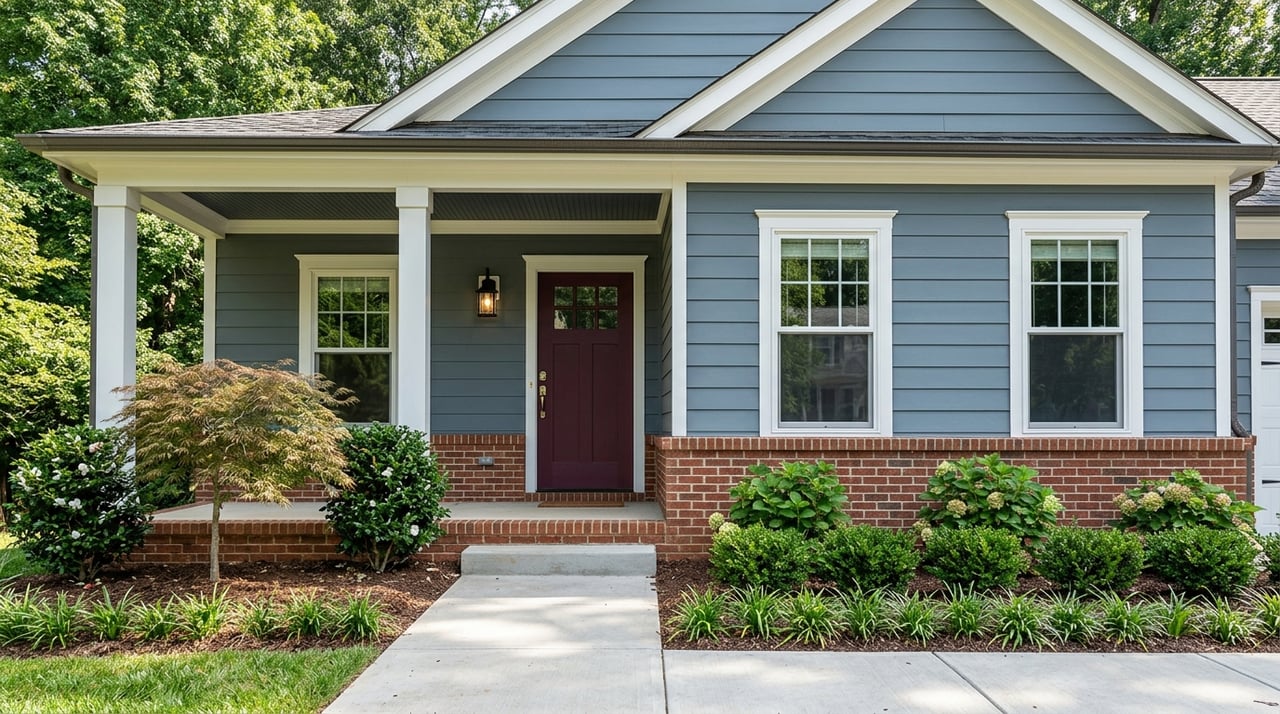
- A cleaned-up front entry
- Replacing an outdated or worn front door if needed
- Window updates if they fit your budget and timeline
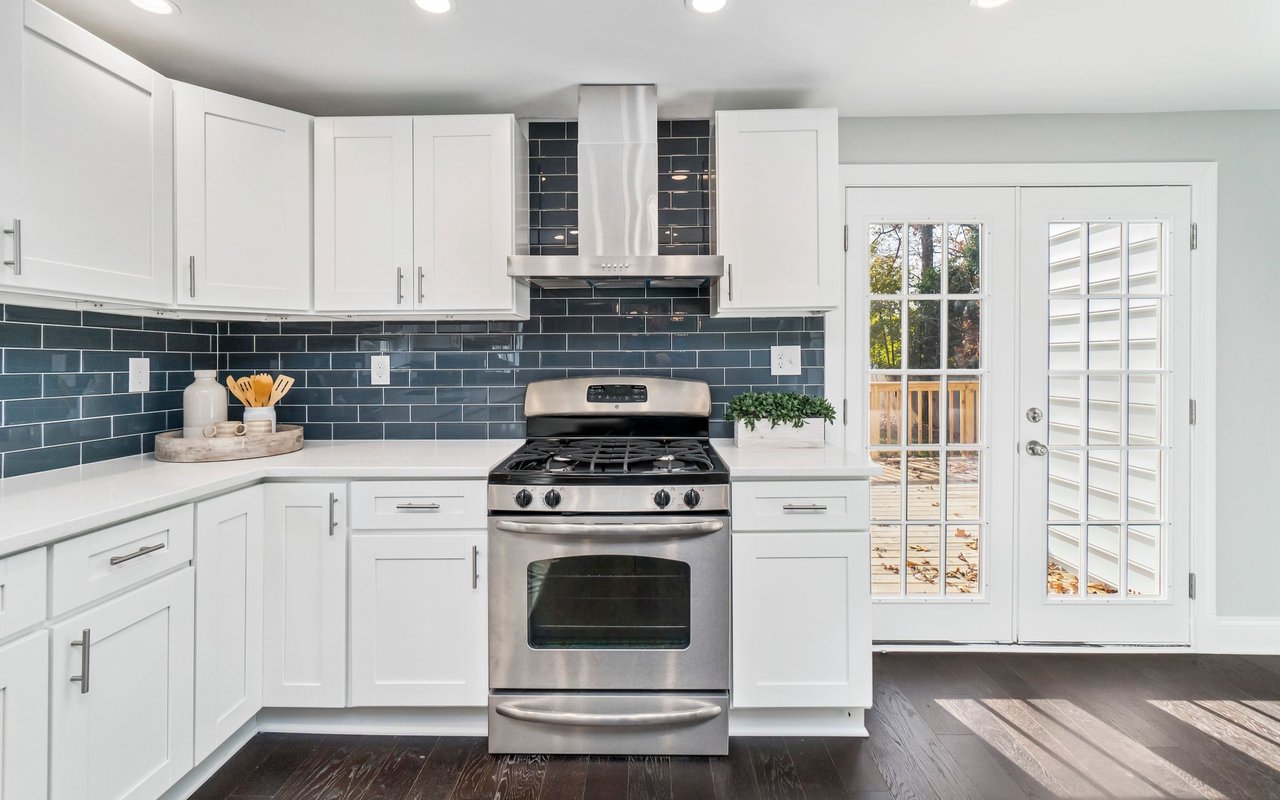
- Minor kitchen improvements instead of a full gut renovation
- Bathroom touch-ups that improve function and appearance
NAR also reported that REALTORS® commonly recommend painting the entire home, painting even one room, and replacing a roof when it is truly due. Those are often practical starting points because buyers notice them right away.
Avoid overbuilding before you sell
It is easy to assume bigger spending means better results. In reality, larger remodels may improve your day-to-day living, but they do not always pay you back at resale. That is especially true if the project pushes your home beyond what buyers expect for similar homes nearby.
A better strategy is usually simple: fix what could hurt you, then improve what buyers will see first. That keeps your prep plan focused and helps you avoid pouring money into projects that may not move the needle.
Use staging to make the home feel current
Staging does not have to mean a magazine-worthy redesign. In many cases, it means helping buyers see space, light, and function more clearly. That matters because the 2025 NAR staging report found that 83% of buyers’ agents said staging made it easier for buyers to visualize a property as a future home.
The same report found that 29% of agents said staging led to a 1% to 10% increase in the dollar value offered, and 49% said staging reduced time on market. In a market where homes may sit for a couple of months, that can be meaningful.
Focus on the rooms buyers notice most
NAR found that the rooms most often staged were:
- Living room
- Primary bedroom
- Dining room
- Kitchen
Those spaces usually carry the most visual weight in listing photos and showings. If you cannot stage every room, start there.
The basics still matter most
Among sellers’ agents, the most common staging recommendations were:
- Decluttering the home
- Cleaning the entire home
- Improving curb appeal
That is encouraging if you are working with a moderate budget. The same staging report found a median cost of $1,500 for using a staging service, compared with $500 when the seller’s agent handled staging themselves. Often, the biggest wins come from editing furniture, clearing surfaces, freshening paint, and creating cleaner sightlines.
Do not overlook energy-efficient features
If your home has updated windows, doors, or siding, those features may be worth highlighting. NAR’s 2025 sustainability reporting says 58% of real estate professionals believe highlighting energy-efficient features can add value, while 72% say utility bills and operating costs are a top priority for clients.
For an older Raleigh home, this can be a helpful angle if those upgrades already exist or fit your prep budget. Buyers are often interested in features that can support comfort and ongoing savings.
Build a simple prep timeline
The smoothest presale plan is usually the one that stays organized from the start. Based on disclosure rules, permit requirements, remodeling data, and staging research, a practical seller workflow looks like this:
- Identify known defects and review permit history.
- Address safety, code, and system issues first.
- Confirm whether city permits or historic approvals are needed.
- Complete a few high-visibility updates with solid resale potential.
- Declutter, clean, stage, and photograph the home.
This kind of step-by-step approach helps you avoid wasted money and last-minute surprises. It also makes the listing process feel much more manageable.
How to choose the right contractors
If prep work involves outside help, be selective. NAR’s consumer guide to hiring a remodeling contractor recommends getting referrals, interviewing at least three contractors, confirming that they are licensed and insured, and using a written contract that clearly spells out the scope, timeline, and total cost.
It also recommends asking who will secure permits and being cautious about vague contracts, large allowances, or big up-front payments. If you want a more turnkey experience, coordinated vendor management can save you time and stress while keeping the project on track.
The goal is market-ready, not perfect
If your Raleigh home needs work, the smartest path usually is not a massive renovation. It is a focused plan that fixes the issues buyers will worry about, improves the details they notice most, and presents the home in a clean, welcoming way. In this market, that combination often does more than an expensive wish-list remodel.
If you want a calm, organized plan for getting your home ready to list in Raleigh or Wake County, Jamie Buckley can help you map out repairs, coordinate next steps, and bring your home to market with confidence.
FAQs
What repairs should Raleigh sellers make before listing a home?
- Raleigh sellers should usually start with known issues that could affect disclosure or inspection, such as roof problems, leaks, structural concerns, electrical safety issues, HVAC problems, plumbing defects, or pest damage.
Do Raleigh home improvement projects need permits before listing?
- Many common presale projects in Raleigh may require permits, including work on walls, windows, doors, roofing, HVAC, electrical circuits, siding, and some exterior improvements, so it is wise to check city requirements before work begins.
Is staging worth it for a Raleigh home sale?
- Staging can be worth it because NAR reported that staging can help buyers visualize the home, may increase offered value, and can reduce time on market.
Should you renovate a kitchen before selling a home in Wake County?
- A minor kitchen upgrade may make more sense than a full renovation, since smaller visible improvements often offer better resale value than large discretionary remodels.
What should sellers of older Raleigh homes do first?
- Sellers of older Raleigh homes should usually review known defects, confirm permit or historic district requirements if applicable, and fix major condition issues before spending money on cosmetic updates.