Buying in Boylan Heights and hearing new terms like “due diligence fee” and “earnest money”? If you are a first-time or relocating buyer, the process can feel like a lot, especially in a competitive, close-in neighborhood with older homes. The good news is you can make confident decisions once you understand how North Carolina’s due diligence works, what you can negotiate, and how to use your timeline wisely. This guide breaks it down for Boylan Heights and central Raleigh so you can write a strong offer and protect your interests. Let’s dive in.
What due diligence means in North Carolina
In North Carolina, the due diligence fee is a payment you make directly to the seller when your offer is accepted under the standard contract. The fee compensates the seller for taking the home off the market while you complete inspections, review title, and finalize financing. It is typically earned by the seller upon receipt and credited back to you at closing if the sale goes through. If you cancel after the due diligence period ends for a reason not protected by the contract, this fee is generally not refundable.
How it differs from earnest money
Earnest money is a separate deposit that is held by an escrow agent, commonly the closing attorney in North Carolina. If you terminate properly within the due diligence period, your earnest money is typically refundable even though the seller keeps the due diligence fee. If you default after the due diligence period, the seller’s common remedy under the standard contract is to keep the earnest money as liquidated damages. Like the due diligence fee, earnest money is credited to your funds at closing if the transaction proceeds.
Timelines and amounts in central Raleigh
The due diligence period is the window you negotiate to investigate the property. Across North Carolina, 3 to 14 days is typical, and 7 to 10 days is common. In high-demand, close-in neighborhoods like Boylan Heights, sellers often expect shorter due diligence periods during strong seller markets. Your contract will show the exact expiration date and time, often stated to the minute, such as 5:00 p.m. local time on your chosen date.
How much to offer for fees and deposits
There is no fixed number for the due diligence fee. Amounts are market driven and vary with price point and competition. In central Raleigh, buyers often offer several thousand dollars and sometimes $5,000 or more to strengthen an offer, especially in multiple-offer situations. Earnest money commonly ranges from 1 to 3 percent of the purchase price, though the right number depends on your strategy and the market that week.
Smart negotiation levers for Boylan Heights
- Trade-offs that work: You can offer a higher due diligence fee in exchange for a shorter due diligence period to stand out. Pairing a strong earnest deposit with a reasonable due diligence fee can also signal reliability while preserving some protection.
- Timeline clarity: If you need more time for inspections or contractor bids, you can negotiate a longer due diligence period and compensate the seller with a higher fee or deposit amount.
- Financing details: If you have financing or appraisal concerns, set clear deadlines in the contract that protect your earnest money if issues arise within the agreed period.
- Seller preferences: Consider non-monetary terms that matter to the seller, like a quick close, a preferred closing attorney, or flexible possession, as long as those terms work for you.
Inspections to prioritize for older homes
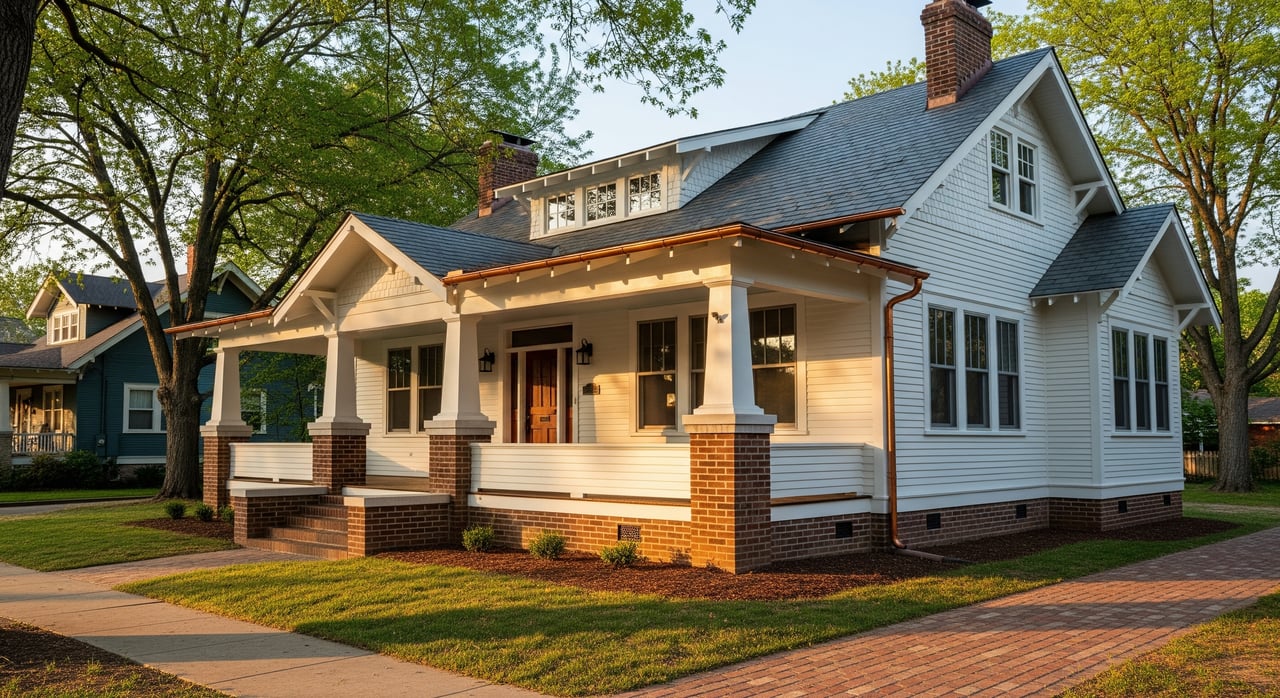
Boylan Heights is a historic, close-in neighborhood where homes often have age and character. Use your due diligence period to investigate thoroughly.
- General home inspection covering structure, electrical, HVAC, plumbing, and roof
- Pest and termite inspection, especially important for older homes
- Radon testing, which is a buyer decision in the Raleigh area
- Mold and moisture evaluation, including crawlspace checks
- Sewer system review, including a sewer-scope if appropriate
- Chimney and flue inspection along with a wood-destroying organism report if required
- Historic-home specifics, such as lead-based paint or asbestos testing, galvanized plumbing, and knob-and-tube wiring
- Permit history review for prior structural changes or renovations
- Title report and survey review for boundary lines and easements
- HOA and deed restrictions, if applicable
Risks to understand
Once the due diligence period ends, your unilateral right to exit without penalty generally ends as well. If you back out afterward without a contract-based reason, you may lose your earnest money and will not recover your due diligence fee. Negotiation leverage on repairs also tends to drop after the due diligence window closes. With older homes, be prepared for potential retrofit or maintenance costs and plan your budget accordingly.
Your pre-offer checklist
- Get a written mortgage pre-approval, not just a prequalification.
- Choose an agent who understands Boylan Heights and central Raleigh trends, including recent comps and seller expectations.
- Set your fee strategy: decide your due diligence fee amount, earnest deposit, and a realistic due diligence period that matches inspector availability.
- Identify a closing attorney or escrow agent and confirm how earnest money will be handled and deposited.
- Confirm inspector availability before you write a very short due diligence window.
- Prepare your funds and understand acceptable payment methods for deposits.
- If you plan to request concessions or repairs, outline specific language and timelines in your offer.
- Keep copies of all inspection reports and written communications in case questions arise.
Disputes, remedies, and closing basics
If you terminate properly during the due diligence period, your earnest money is typically refunded, and the seller keeps the due diligence fee. If you default after the due diligence period ends, the seller’s common remedy under the standard contract is to retain your earnest money as liquidated damages, though additional remedies can be fact specific and are less common. At closing, both the due diligence fee and earnest money are credited to your funds. If the transaction does not close, the due diligence fee is generally income to the seller, while any tax or legal questions should be reviewed with appropriate professionals.
Strategy examples for real scenarios
Multiple-offer on a renovated bungalow
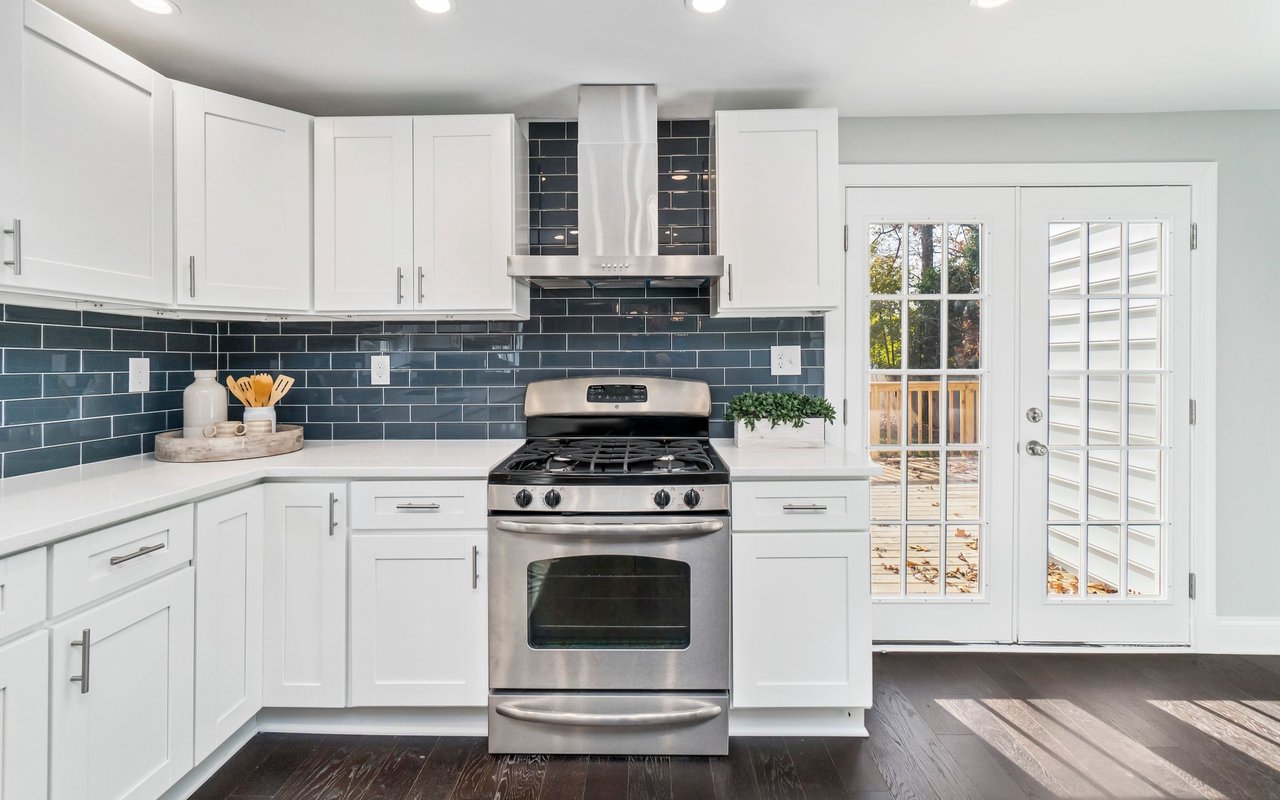
You want to be competitive without overreaching. Consider a shorter due diligence period paired with a stronger due diligence fee and earnest deposit. Line up inspectors before you submit so your timeline is realistic and your offer looks organized.
Older home with complex systems
If you expect crawlspace, chimney, or sewer-scope evaluations, you may need a slightly longer due diligence window. Offset that extra time with a higher earnest deposit or a seller-friendly closing date. Communicate your inspection plan clearly so the seller understands your approach.
Financing or appraisal questions
If your lender needs extra time, set firm financing and appraisal deadlines inside the due diligence period. Protect your earnest money by making sure all financing milestones are clear, documented, and achievable. Share a strong pre-approval and update the listing agent on progress to build trust.
How a local guide helps you win
Buying in a smaller-inventory, historic neighborhood takes preparation. You benefit from an agent who can forecast seller expectations, recommend trusted inspectors, and manage timelines so your due diligence period is used wisely. You also gain an advocate who balances offer strength with smart protections, coordinates with your closing attorney, and keeps your transaction organized from offer to keys.
If you are planning a move into Boylan Heights or nearby central Raleigh, you do not have to navigate this alone. For patient guidance and organized, full-service buyer support, reach out to Jamie Buckley.
FAQs
In North Carolina, can I get my due diligence fee back after inspections?
- You can recover your earnest money if you terminate during the due diligence period, but the due diligence fee is typically not refundable and is kept by the seller.
Who holds the due diligence fee and earnest money in Raleigh purchases?
- Earnest money is usually held by the closing attorney or escrow agent, while the due diligence fee is typically paid directly to the seller and credited to you at closing.
How long should the due diligence period be for Boylan Heights?
- Typical North Carolina ranges are 3 to 14 days, with 7 to 10 days common, but competitive, close-in neighborhoods often push for shorter timelines.
What happens if the appraisal or financing is delayed during due diligence?
- Set clear financing and appraisal deadlines in your contract that fall within the due diligence period to protect your earnest money and keep your timeline realistic.
What inspections are most important for an older Boylan Heights home?
- A general inspection, pest and termite, radon, crawlspace and moisture checks, sewer-scope if needed, chimney inspection, and testing for lead or asbestos when appropriate.
What if I walk away after the due diligence period ends?
- You generally forfeit your due diligence fee and risk losing your earnest money as liquidated damages unless you have a contract-based right to terminate.