Trying to choose between a brand-new home and an older one in Clayton? You are not alone. For many buyers, this decision comes down to more than square footage or curb appeal. It is really about how you want to live, what you want to spend, and how much upkeep fits your season of life. In Clayton, where you can find everything from new townhomes to historic homes near downtown, the right choice depends on your budget, commute, and comfort with maintenance. Let’s dive in.
Clayton gives you both options
Clayton offers a wide range of housing choices in a market that sits around the mid-$300,000s. Redfin reported a median sale price of $350,000 in March 2026, while Zillow reported a typical home value of $366,558 with 382 active listings as of April 30, 2026. That means you may find both new construction and older resale homes at price points that overlap, but the lifestyle that comes with each can feel very different.
Location also plays a big role in Clayton. The town highlights major connections like US 70 Business, the US 70 Bypass future I-42, and NC 42, with access to I-40 and I-95. Planned NC 540 is also expected to improve access to RDU and RTP, so many buyers end up balancing home features against drive time.
New construction in Clayton
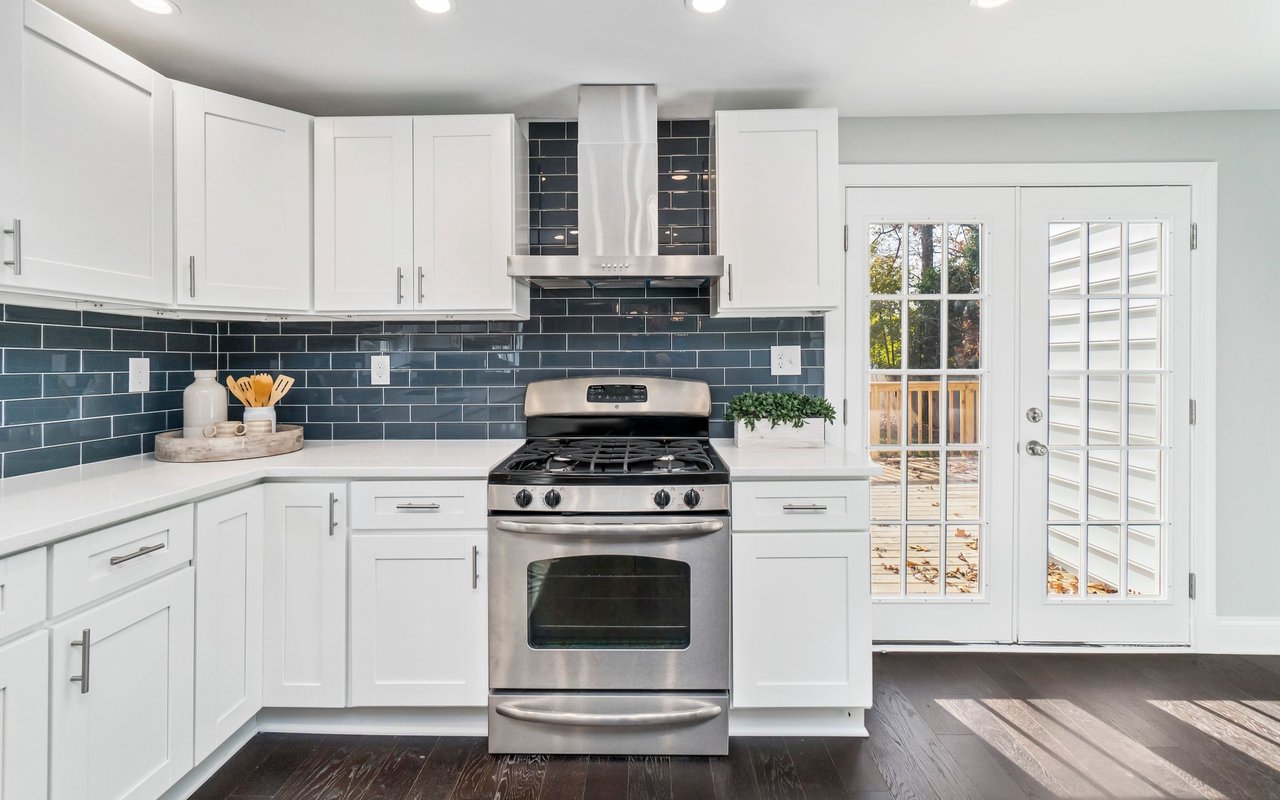
If you want a home that feels move-in ready from day one, new construction may be the better fit. Many buyers are drawn to newer homes because they often offer current floor plans, lower immediate maintenance needs, and community amenities. In Clayton, those choices range from entry-level townhomes to large custom and luxury properties.
At the more affordable end, Medley Park offers townhomes starting at $284,900 for a 1,231-square-foot, 3-bedroom plan. In the mid-range, Highgate has homes listed from $370,000 to $420,000 with 3- to 5-bedroom plans and amenities like a clubhouse, pool, fitness center, and greenway trails. If you want more land, High Springs starts at $505,900 and advertises homesites from nearly one acre to three acres.
On the upper end, Clayton also has communities like Cattail Lake, where homes are marketed from the mid-$400,000s to $2 million with private recreational features. Everette’s Preserve highlights expansive homesites and proximity to the new 540 interchange, while also noting a location outside city taxes. These examples show how broad the new construction market is in Clayton.
Why buyers like new homes
New construction often appeals to buyers who want convenience and predictability. You may get an open layout, newer systems, and less need for immediate repairs or updates. If you prefer spending weekends settling in instead of tackling projects, that can be a major plus.
Some Clayton communities also lean hard into amenities. The Walk at East Village includes a clubhouse, pool, fitness center, pickleball and bocce courts, trails, a dog park, and lawn maintenance with every home. That kind of setup can be a great fit if you want low-maintenance living and shared lifestyle features.
What to watch with new construction
The list price is only part of the story. Amenity-rich communities often come with HOA rules and recurring fees, so your monthly carrying cost matters just as much as your mortgage payment. You will also want to ask about upgrade costs, warranties, restrictive covenants, estimated taxes, and any additional fees.
Commute is another factor. Some new communities are positioned for easier access, while others trade a longer drive for more privacy and larger lots. Medley Park is marketed as close to downtown Clayton and about a 30-minute drive to Raleigh, while High Springs is less than 7 miles from I-40, so the right fit depends on what you value most.
Older homes in Clayton
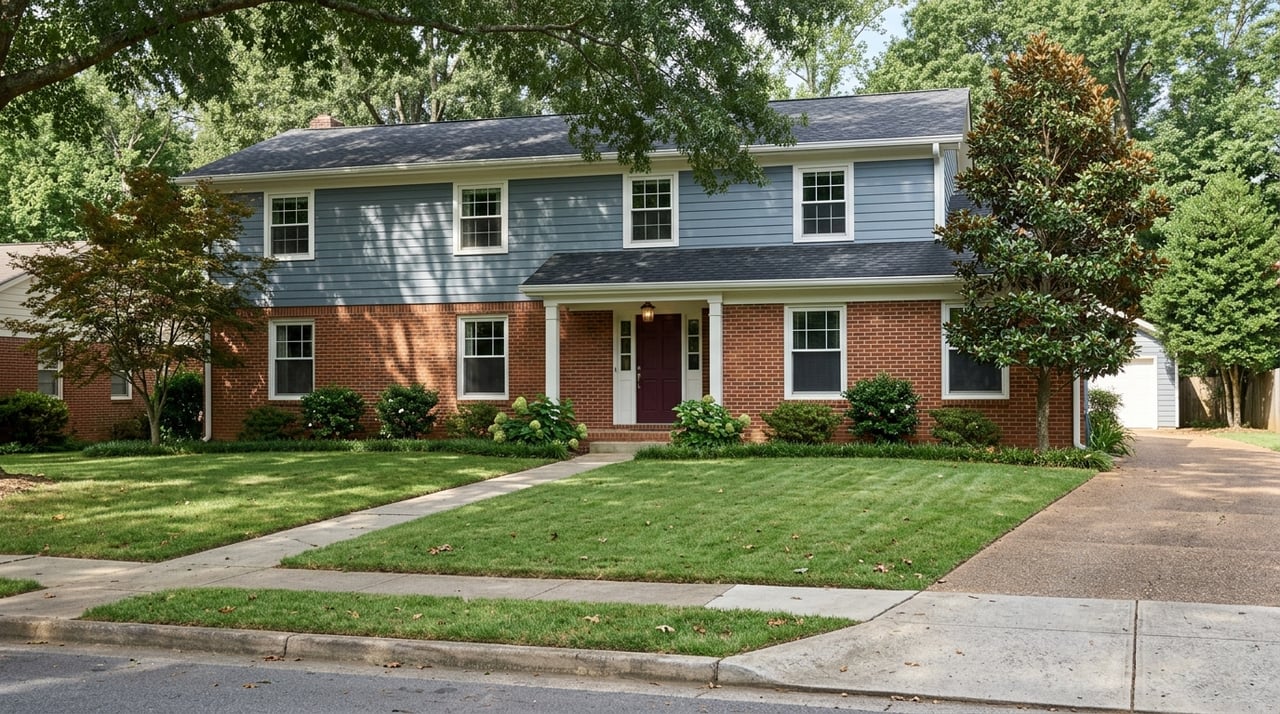
If character, location, and a more established setting matter most to you, an older home may be the better choice. Clayton’s established areas, especially near downtown, can offer mature streetscapes, local charm, and easier access to community events and small businesses. For some buyers, that lifestyle is worth more than having the newest finishes.
The Clayton Historic District is one of the town’s best-known established areas. It includes downtown commercial blocks and residential neighborhoods north and south of the railroad, with almost 300 historic homes and buildings. The town says the district exists to preserve history and architecture while encouraging the use of historic buildings.
Downtown Clayton also offers practical appeal. The town describes the area as home to long-running local businesses, festivals, public gatherings, and a farmers market, with I-40 and I-95 just minutes away. If you want to feel connected to the center of town, an older home in an established area may check that box better than a newer subdivision on the edge of Clayton.
Why buyers like older homes
Older homes often stand out because of their setting and personality. You may find a more established street pattern, mature landscaping, and architectural details that are harder to find in newer builds. In some cases, historic preservation efforts can also encourage reinvestment in existing neighborhoods and may enhance property values and the local tax base.
Some property owners in historic settings may also qualify for grants or tax credits for rehabilitation projects. That does not make every older home a bargain, but it can be a meaningful factor if you are open to improvements and want a home with long-term charm. For buyers who love character and location, older homes can offer something new construction simply cannot copy.
What to watch with older homes
Older homes usually require more investigation before you buy. North Carolina guidance says buyers should verify permits for additions, finished areas, or decks so you know the work was properly inspected and approved. That kind of due diligence can protect you from expensive surprises later.
State home-inspector materials also point to age-sensitive issues that may show up in older homes. These can include hidden moisture behind EIFS cladding, aging Zinsco or Federal Pacific electrical panels, deck attachment concerns, and plumbing or mold-related concerns that may need follow-up by specialists. That does not mean older homes are a bad idea, but it does mean careful inspection matters.
How inspections differ
No matter which type of home you choose, inspections are an important part of the process. In North Carolina, licensed home inspectors must provide a written contract and a written report, and the person performing the on-site inspection must be licensed by the Home Inspector Licensure Board. Reviewing the full report, not just the summary, gives you a clearer picture of the property.
With older homes, inspections often focus on age and condition. With new construction, the concerns may be different, but they are still real. Even though a builder’s certificate of occupancy confirms that permits were obtained and the home was inspected during construction, many buyers still choose an independent inspection and may use a re-inspection to confirm agreed repairs were completed in a good and workmanlike manner.
Compare costs beyond price
When you compare new construction and older homes in Clayton, look past the list price. Property taxes, HOA dues, future repairs, commute costs, and possible renovation needs all affect your real budget. Inside the Town of Clayton, the current property tax rate is $0.49 per $100 of assessed value, and Johnston County’s rate is $0.52, for a combined $1.01 before any fire-district tax.
Johnston County’s countywide revaluation took effect on January 1, 2025, so assessed values may affect your tax picture differently than expected. If you are comparing a new home in an HOA community with an older home that needs updates, it helps to map out the full monthly and yearly costs. A home that looks cheaper upfront is not always the lower-cost option over time.
Think about your daily life
The best choice usually comes down to how you live every day. If you want an easier move, newer finishes, and community amenities, new construction may feel like the simpler path. If you care more about proximity to downtown, established surroundings, and architectural character, an older home may feel more like home.
In Clayton, resale strength likely depends more on location, commute access, lot size, floor plan, and neighborhood fit than on age alone. A newer home in the wrong spot for your routine may not serve you as well as an older home that fits your lifestyle. The same is true in reverse.
Questions to ask yourself first
Before you decide, ask yourself:
- Do you want move-in-ready convenience or are you comfortable with future projects?
- Is your top priority space, amenities, and newer systems?
- Would you rather be closer to downtown Clayton and its local events and businesses?
- How much do commute time and road access matter to your day-to-day life?
- Are HOA fees acceptable if they support the lifestyle you want?
- Do you prefer a larger lot, a central location, or the newest finishes?
When you answer those questions honestly, the right path usually becomes clearer.
The right Clayton home is personal
There is no universal winner in the new construction versus older home debate. In Clayton, both can be smart choices depending on your goals. What matters most is choosing the home that fits your budget, maintenance comfort level, commute needs, and long-term plans.
That is where a patient, organized process makes a big difference. When you compare options carefully, review inspections closely, and think beyond the listing photos, you can make a decision that feels good now and still makes sense years from now. If you want help weighing Clayton neighborhoods, new communities, or older homes with renovation potential, Jamie Buckley is here to guide you with clear advice and steady support.
FAQs
Is new construction in Clayton always more expensive than older homes?
- No. Clayton new construction ranges from townhomes starting at $284,900 in Medley Park to luxury properties up to $2 million, so there can be overlap with resale pricing depending on size, location, and amenities.
What should buyers check before buying an older home in Clayton?
- Buyers should verify permits for additions, finished areas, or decks and use a licensed North Carolina home inspector to evaluate age-related concerns like moisture issues, electrical panels, deck attachment, plumbing, or mold-related follow-up.
Do Clayton new construction communities usually have HOA fees?
- Many amenity-driven new communities in Clayton do have HOA rules and recurring fees, so you should compare those monthly costs along with the home’s price, taxes, and any upgrade expenses.
Is downtown Clayton a better location than a newer subdivision?
- It depends on your priorities. Older homes near downtown may offer character, established streets, and easier access to local businesses, events, and the farmers market, while newer subdivisions may offer more amenities, newer layouts, and lower immediate maintenance.
How do commute options affect a home search in Clayton?
- Clayton buyers often weigh space against drive time because the town connects to major routes like US 70 Business, the future I-42 corridor, NC 42, I-40, and I-95, with planned NC 540 expected to improve access to RDU and RTP.
Should buyers inspect a new construction home in North Carolina?
- Yes. Even with a certificate of occupancy, many buyers still choose an independent licensed inspection and may use a re-inspection to verify that agreed repairs were completed properly.