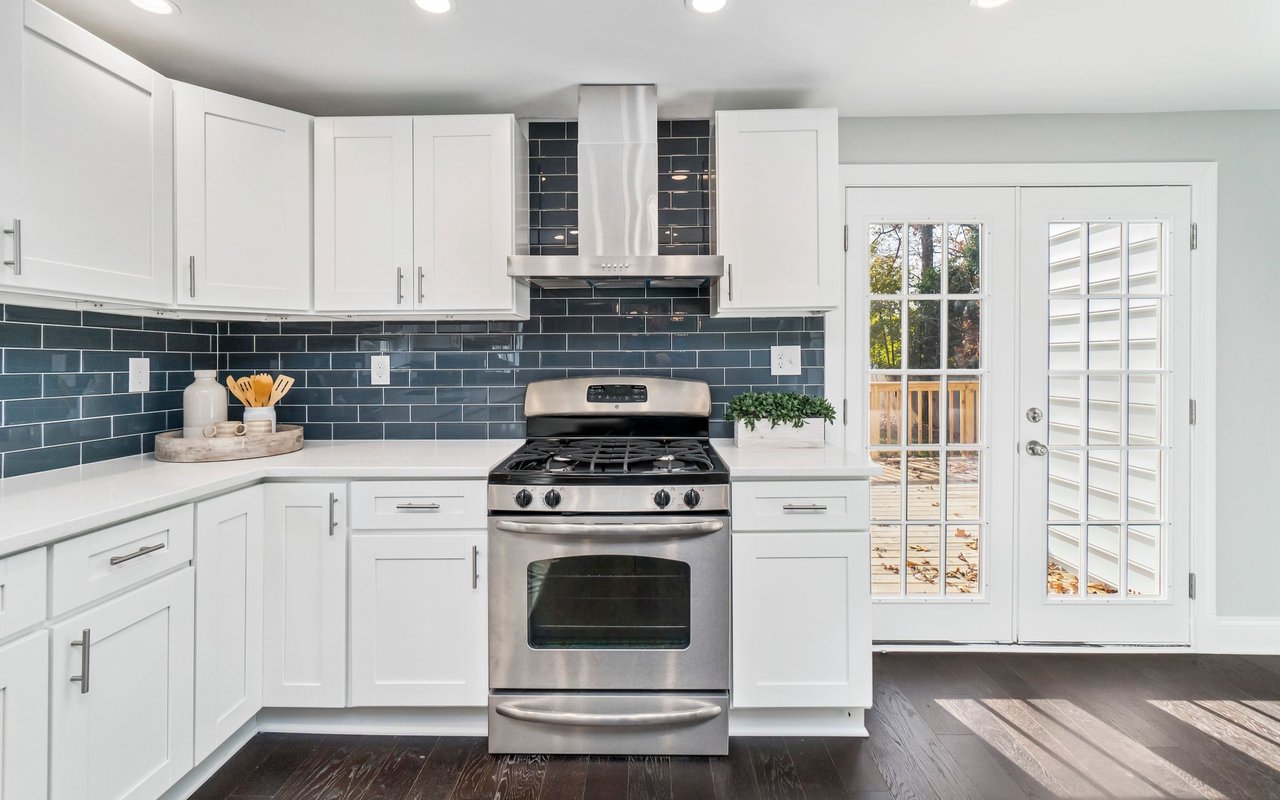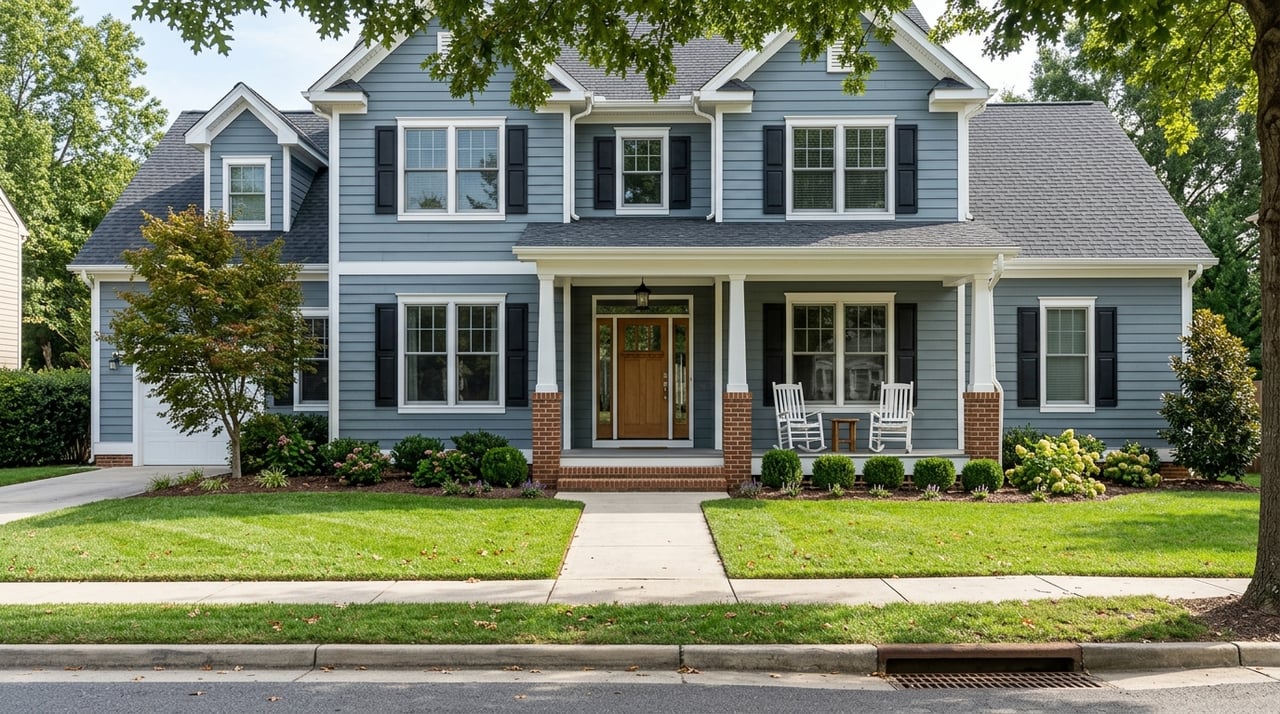
Wondering which part of Cary actually fits your family’s day-to-day life? That is usually the real question, especially in a market where one neighborhood might offer greenway access and walkability, while another gives you a bigger yard, newer systems, or a packed amenity calendar. If you are trying to sort through the options, this guide will help you match Cary neighborhood types to your routine, budget, and priorities. Let’s dive in.
Why Cary works for growing families
Cary offers a wide range of lifestyles in one town. The Town of Cary reports more than 191,000 residents, over 60 nationalities, and a strong network of parks and greenways. It is also known for a walkable downtown and a long-term focus on connected public spaces.
That variety matters when your family is growing and your needs are changing. You may want easier park access, more bedrooms, less maintenance, or a neighborhood where activities feel built in. In Cary, all of those options exist, but they do not look the same from one area to the next.
The housing stock also varies by age and setting. Cary says more than half of its roughly 70,000 dwellings were built before 2000, with older homes concentrated near the center and inside the Maynard Road loop. That means your home search may involve a real choice between charm and location on one hand, and newer layouts and systems on the other.
Cary market ranges to know
Before you focus on neighborhood style, it helps to understand the pricing spread. Redfin reported a March 2026 median sale price of $600,000 in Cary, while Zillow showed an average home value of $629,864 and Realtor.com reported a median listing price of $599,000 with a 99% sale-to-list ratio. These numbers reflect different data points, but together they show a competitive market.
At the neighborhood level, prices can swing quite a bit. Recent median figures reported by Realtor.com include Cary Park around $388,000, Twin Lakes around $499,900, Amberly around $659,000, Carpenter Village around $720,000, Lochmere around $737,500, Preston around $1.137 million, and MacGregor Downs around $1.285 million. For many family buyers, that makes the roughly $500,000 to $750,000 range a useful starting point, with some neighborhoods falling below or far above it.
Walkable, park-connected neighborhoods
This neighborhood type works well if your family likes to walk or bike to parks, playgrounds, downtown activities, or everyday stops. Cary has more than 30 parks and natural areas, plus over 80 miles of greenway that connect neighborhoods with parks, schools, and town facilities. Downtown Cary Park adds another major draw with a seven-acre park, event space, seasonal sprayground, and skywalk.
For many families, the biggest benefit here is convenience. You can spend less time loading everyone into the car and more time enjoying outdoor space, events, or casual outings. If your week includes stroller walks, bike rides, or after-school park time, this setup can feel especially practical.
Housing in these areas often includes a mix of older single-family homes, townhomes, condos, and some newer infill options. Because older homes are more concentrated near central Cary, you may find more variation in lot size, floor plan, and maintenance needs. Pricing can land below the city median for attached homes or climb above it for renovated homes and premium locations near parks or downtown.
Best fit for this lifestyle
- Families who want more walkability in daily life
- Buyers who value parks, trails, and public spaces
- Households comfortable with a mix of home ages and property types
- Buyers who are open to balancing location with maintenance tradeoffs
Swim-club and amenity-centered neighborhoods
Some families want the neighborhood itself to provide the social calendar. In Cary, this often means communities with pools, clubhouses, trails, playgrounds, and organized activities. Lochmere, for example, describes amenities that include two pool locations, a clubhouse, walking and biking trails, lakes, tennis, pickleball, volleyball, and several playgrounds.
This setup can be a strong match if you want easy ways to stay active and meet neighbors without driving across town. It can also simplify busy weeks, since recreation and social time may be just a short walk or bike ride away. For growing families, that built-in structure can be a real advantage.
Price points in this category often land in Cary’s mid-market to upper-middle range, though some executive or golf-adjacent communities move well into seven figures. Recent neighborhood medians show that spread clearly, from communities in the upper hundreds of thousands to luxury pockets above $1 million. In practical terms, you are often paying for both the home and the amenity package.
Best fit for this lifestyle
- Families who will actually use pools, trails, and club amenities
- Buyers who want a more social neighborhood feel
- Households looking for recreation close to home
- Buyers comfortable with HOA structure and related costs
Quiet cul-de-sacs and larger yards
If your top priorities are lower traffic, yard space, and a more traditional suburban layout, this neighborhood type may feel like the best fit. These communities often feature detached homes on interior streets or cul-de-sacs, commonly built from the 1990s through the early 2010s. In many cases, the appeal is less about one standout amenity and more about how the whole neighborhood functions day to day.
This can work especially well for families who want room to spread out. A larger yard, extra bedrooms, and a quieter street pattern can make a big difference as kids grow and schedules get busier. It can also offer a little more separation between home life and the busier commercial areas of town.
One key factor here is school assignment. Wake County Public School System assigns base elementary, middle, and high schools by residential address, and its lookup tool also notes that split assignments and enrollment caps can apply. If school assignment is a major part of your decision, it is smart to verify the specific address before making an offer.
Best fit for this lifestyle
- Families who prioritize yard space and detached homes
- Buyers who want quieter interior streets
- Households comparing school assignment by address
- Buyers who prefer a classic suburban layout over mixed-use living
Newer master-planned neighborhoods
For some buyers, the biggest draw is newer construction and a more predictable maintenance profile. Newer master-planned areas on Cary’s edges often offer sidewalks, modern floor plans, efficient systems, and community amenities. They may also align well with Cary’s broader planning direction, which continues to emphasize connected, walkable, mixed-use places.
The upside is easy to see. Newer homes often need fewer immediate repairs, and the layouts tend to match what many families want now, such as open living spaces and more flexible rooms. The tradeoff is that you may get less mature landscaping, a smaller yard, or higher HOA dues than in some older neighborhoods.
These communities often price at or above Cary’s citywide median. Buyers are frequently paying for both the newer home itself and the overall lifestyle package. If low maintenance is high on your list, that premium may feel worth it.
Best fit for this lifestyle
- Families who want newer systems and floor plans
- Buyers trying to reduce maintenance surprises
- Households that like sidewalks and planned amenities
- Buyers who are comfortable trading some lot maturity for convenience
How to choose the right type
The best Cary neighborhood for your family usually comes down to routine, not hype. A neighborhood can look great online and still be the wrong fit if the commute is frustrating, the home needs more work than you want, or the amenities do not match how you actually spend your time. That is why it helps to start with your weekly rhythm.
Ask yourself a few practical questions:
- Do you want to walk to parks, trails, or downtown activities?
- Would your family use a pool, clubhouse, or neighborhood events often?
- Do you need a larger yard or a quieter street pattern?
- Are newer systems and lower maintenance worth a higher price or HOA dues?
- How important is commute time for one or more household members?
- Have you verified school assignment for any address you are seriously considering?
Cary is more than a bedroom suburb, and commute planning matters. The Town’s Consolidated Plan says Cary is a major employment center with about 75,612 jobs in the city, and ACS-based data in that plan shows 74% of workers have travel times under 30 minutes. For many households, that makes location efficiency part of the neighborhood decision, not just a bonus.
Long-term value for family buyers
From a resale perspective, Cary neighborhood types with durable demand often share a few features. Park access, confidence in school assignment, walkable amenities, and lower-maintenance options tend to stay appealing to future buyers. Cary’s planning documents continue to emphasize reinvestment in downtown, greenways, mixed-use centers, and public spaces, which supports long-term interest in both central walkable areas and well-kept amenity communities.
That said, older central homes can still be strong value opportunities. The tradeoff is usually maintenance. Cary’s housing documents note that repair needs grow as housing ages, and housing problems are more concentrated near downtown because of age and condition.
For many families, the smartest move is not chasing the “best” neighborhood on paper. It is choosing the neighborhood type that lines up with your commute, budget, maintenance comfort level, and the way your household actually lives. In Cary’s competitive market, that clarity can help you move faster and with more confidence.
If you want help narrowing down which Cary neighborhood type fits your next chapter, Jamie Buckley brings a calm, organized approach to the process and can help you compare options based on how you really live.
FAQs
What neighborhood type in Cary is best for growing families?
- The best Cary neighborhood type depends on your family’s routine, budget, commute, maintenance preferences, and whether you value walkability, amenities, larger yards, or newer construction most.
What price range should families expect in Cary neighborhoods?
- Cary’s March 2026 median sale price was reported at $600,000 by Redfin, but neighborhood medians vary widely, from around $388,000 in Cary Park to over $1.2 million in MacGregor Downs.
What Cary neighborhood type is best for walkability?
- Walkable, park-connected neighborhoods are usually the best fit if you want easier access to parks, greenways, downtown activities, and connected public spaces.
What Cary neighborhood type is best for amenities?
- Swim-club and amenity-centered neighborhoods can be a strong fit if your family wants features like pools, trails, clubhouses, playgrounds, and neighborhood events close to home.
What should buyers know about Cary school assignments?
- Wake County Public School System assigns schools by residential address, and assignments should be verified before you make an offer because split assignments and enrollment caps can apply.
Are newer Cary neighborhoods better for lower maintenance?
- Newer master-planned neighborhoods often offer more predictable maintenance, newer systems, and modern layouts, though they may also come with HOA dues and less mature landscaping.